


In today’s competitive industrial environment, reliable electricity is essential for productivity, safety, and business growth. From manufacturing plants and warehouses to commercial facilities, uninterrupted power keeps machinery operating, protects valuable equipment, and helps businesses meet deadlines. Unexpected outages and voltage fluctuations can interrupt production and increase operating costs. That is why modern companies are investing in dependable industrial power solutions that combine efficient power generation, backup systems, intelligent monitoring, and energy management to support consistent performance.
What Are Industrial Power Solutions?
Industrial power solutions encompass the equipment, technologies, and services used to generate, distribute, protect, and manage electricity in industrial facilities. Depending on a company’s requirements, these systems may include generators, uninterruptible power supplies (UPS), electrical distribution equipment, battery storage, and renewable energy technologies. Rather than relying on a single piece of equipment, businesses can integrate several components into a coordinated power system. This approach helps maintain operational stability, improve energy efficiency, and prepare facilities for changing electricity demands.
Why Businesses Need Reliable Power Systems
Power interruptions can affect nearly every stage of industrial production. A factory shutdown may delay orders, disrupt automated processes, damage sensitive equipment, or require additional time to restart machinery. In industries such as food processing and pharmaceuticals, maintaining appropriate environmental conditions is also essential. A properly planned power system helps reduce these risks by keeping critical equipment supplied with electricity when the primary source becomes unavailable. Reliable power infrastructure therefore supports business continuity, operational safety, and customer satisfaction.
Industrial Generators for Consistent Electricity
Industrial generators provide backup or primary electricity when grid power is unavailable or insufficient. Diesel and gas generators are common options, with the appropriate choice depending on operating conditions, fuel availability, power demand, and environmental considerations. For example, a manufacturing facility may use a standby generator to maintain essential production equipment during an outage. Correct generator sizing is particularly important because motors and other machinery can require substantial starting power. Professional assessment helps ensure the system can handle both normal demand and temporary load increases.
UPS Systems and Protection Against Power Interruptions
An uninterruptible power supply provides temporary electricity when the main supply fails, helping sensitive equipment continue operating or shut down safely. Unlike a conventional standby generator, a UPS can provide immediate backup for supported loads, depending on its design and capacity. These systems are especially valuable for industrial control panels, computers, communication equipment, and automated production systems. When integrated with a generator, a UPS can bridge the transition between power sources, reducing disruption to essential operations and helping protect equipment from certain electrical disturbances.
Renewable Energy and Sustainable Industrial Power
Renewable energy is becoming an important part of industrial energy planning. Solar photovoltaic systems can generate electricity during daylight hours, helping facilities reduce dependence on grid electricity when production schedules align with solar output. Battery storage may allow suitable systems to retain surplus electricity for later use. However, renewable generation varies with weather and available sunlight, so it must be assessed against actual demand and backup requirements. Combining solar power, storage, and conventional generation can help businesses pursue energy efficiency while maintaining dependable electricity for essential operations.
Smart Energy Management for Better Efficiency
Modern energy management systems help industrial facilities monitor electricity consumption, identify unusual demand patterns, and coordinate available power sources. Sensors, digital meters, and monitoring software can provide useful information about equipment performance and energy use. For instance, a factory may discover that certain machines consume significant electricity during periods of low production. Managers can then investigate scheduling improvements or equipment upgrades. Although monitoring alone cannot eliminate every energy problem, data-driven decisions can reduce waste, support maintenance planning, and improve the overall performance of an industrial power system.
Choosing the Right Industrial Power System
Selecting an appropriate power system begins with understanding the facility’s operational requirements. Businesses should evaluate total electrical demand, essential equipment, outage frequency, expected backup duration, installation space, and available fuel or renewable resources. Future expansion also matters because a system designed only for current demand may become inadequate as production increases. Working with an experienced provider helps translate these requirements into a practical design. A well-planned solution should balance reliability, efficiency, safety, maintenance needs, and long-term operating costs rather than focusing exclusively on initial purchase price.
Essential Factors to Consider Before Installation
Before investing in industrial power equipment, businesses should assess several important factors:
- Capacity requirements: Determine running loads and equipment starting demands.
- Reliability: Identify critical processes that require backup electricity.
- Energy efficiency: Compare expected fuel consumption and electricity savings.
- Safety and compliance: Follow applicable electrical standards and installation requirements.
- Maintenance support: Confirm access to qualified technicians and replacement components.
- Scalability: Allow for future production growth or additional equipment.
Considering these factors early can prevent costly design mistakes. A detailed site assessment also helps identify installation constraints, ventilation requirements, electrical compatibility issues, and opportunities to improve overall energy performance.
Industrial Power Applications Across Different Sectors
Different industries require different approaches to electricity management. Textile and garment factories may prioritize continuous production, while food-processing facilities need dependable refrigeration and process controls. Hospitals and data centers place particular emphasis on maintaining critical electrical loads, whereas warehouses may focus on lighting, handling equipment, and security systems. Heavy manufacturing facilities often require careful consideration of motor starting currents and fluctuating demand. Understanding these differences enables businesses to select suitable equipment and prioritize the systems that matter most to their daily operations.
Maintenance: The Key to Long-Term Performance
Even a high-quality power system requires regular inspection and maintenance to remain dependable. Generator servicing, battery checks, electrical connection inspections, and functional testing can help identify developing problems before they cause unexpected interruptions. Maintenance schedules should follow manufacturer recommendations and the operating conditions of the equipment. Businesses should also keep service records and ensure personnel understand the correct response to power failures. Proactive maintenance can extend equipment life, improve readiness, and reduce avoidable downtime, making it an essential part of any industrial energy strategy.
Why Choose a Specialized Industrial Power Provider?
Working with a specialized provider can simplify the process of planning and implementing a dependable power system. Experienced professionals can help assess loads, recommend suitable equipment, coordinate installation, and verify system performance during commissioning. Businesses should review a provider’s technical capabilities, product documentation, warranty terms, service availability, and relevant project experience before making a decision. Clear communication is equally important because power requirements differ significantly between facilities. Choosing a provider based on verified capabilities and long-term support can help businesses make a more informed investment.
Explore Industrial Power Solutions with Huaquan Power
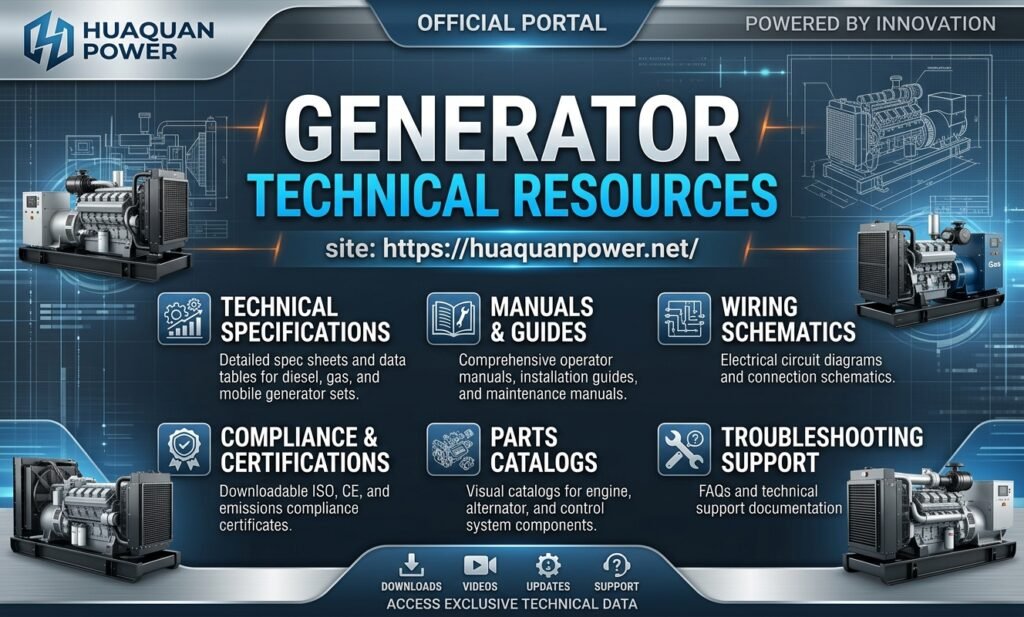
Businesses researching power equipment and industrial energy systems can explore industrial power solutions through Huaquan Power’s website. The site provides a starting point for learning about available power-related products and identifying options that may suit different operational requirements. Before selecting equipment, companies should confirm the specifications, capacity, applicable certifications, installation arrangements, warranty coverage, and after-sales services relevant to their projects. Comparing these details with actual facility requirements helps decision-makers assess suitability and build a more reliable power strategy.


